English
 Bahasa Indonesia

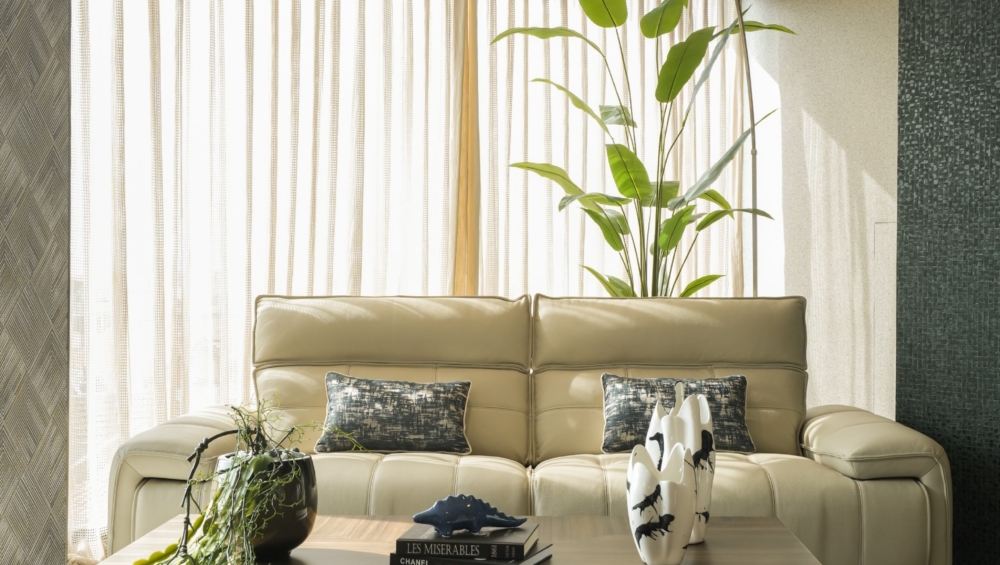
A living room can look neat, balanced, and well-furnished, yet still feel strangely stiff.
This often happens when everything is too symmetrical.
While symmetry feels safe and orderly, too much of it can make a home feel more like a showroom than a place to relax.
Here’s why it happens and how to fix it.
1. Too Much Symmetry Creates a Formal Atmosphere

Symmetry creates structure, but when everything is mirrored like matching sofas, identical side tables, twin lamps, it sends a formal signal.
This works well in hotels or lobbies, but at home it can feel rigid and uninviting. Living spaces benefit from a sense of ease, not perfection.
2. Excessive Matching Reduces Visual Depth

When furniture pieces are the same size, shape, and color, the eye has nowhere to rest.
The room feels flat because there’s no contrast to create depth. Small variations, different textures, slightly different forms, help a space feel layered and alive.
3. Visual Balance Works Better Than Perfect Mirroring

Balance doesn’t mean everything must match. A room feels balanced when visual weight is evenly distributed, even if the elements are different.
For example, a sofa on one side can be balanced by an armchair and floor lamp on the other. This creates harmony without rigidity.
4. Over-Symmetry Limits Flexibility in Daily Use

Perfectly mirrored layouts often ignore how people actually move and sit.
Identical furniture placement can restrict circulation and make a room feel less flexible.
Asymmetrical layouts adapt better to real-life activities. Conversation, lounging, or entertaining.
5. Intentional Variation Makes a Room Feel More Lived-In

Subtle differences such as varying cushion sizes, mixing table styles, or offsetting lighting heights, introduce warmth and personality.
These intentional choices help a room feel human rather than staged.
Designing with Comfort in Mind
At Home Decor Indonesia, living rooms are designed with balance rather than strict symmetry.
By combining sofas, armchairs, tables, and décor with thoughtful variation, interiors feel cohesive yet relaxed. Designed not just to look good, but to be lived in.
Final Thought
A beautiful living room doesn’t need to be perfectly matched.
When structure is softened with variation, the space becomes more natural, comfortable, and inviting, exactly how a home should feel.