English
 Bahasa Indonesia

Most homeowners fall into the “Showroom Trap.” You walk into a furniture store, see a matching set of three tables, and buy the whole box. However, professional designers view these pre-packaged sets as a missed opportunity. In reality, buying a matching set creates a flat, “matchy-matchy” environment that lacks personality.
Creating a high-end, curated living room requires you to embrace Visual Tension. You want your coffee table and side tables to look like they met at a party and hit it off, not like they are identical twins. Therefore, we created this guide to help you break the set and start a dialogue between your furniture pieces.
Ready to stop being “safe” and start being stylish? Let’s analyze the rules of the mix.

1. The Rule of Contrast: Mixing Shapes
First, you must address the geometry of the room. If you place a rectangular coffee table in front of a long sofa and flank it with square side tables, you create too many sharp corners. Consequently, the room feels rigid and aggressive.
Instead, you should play with opposing silhouettes.
-
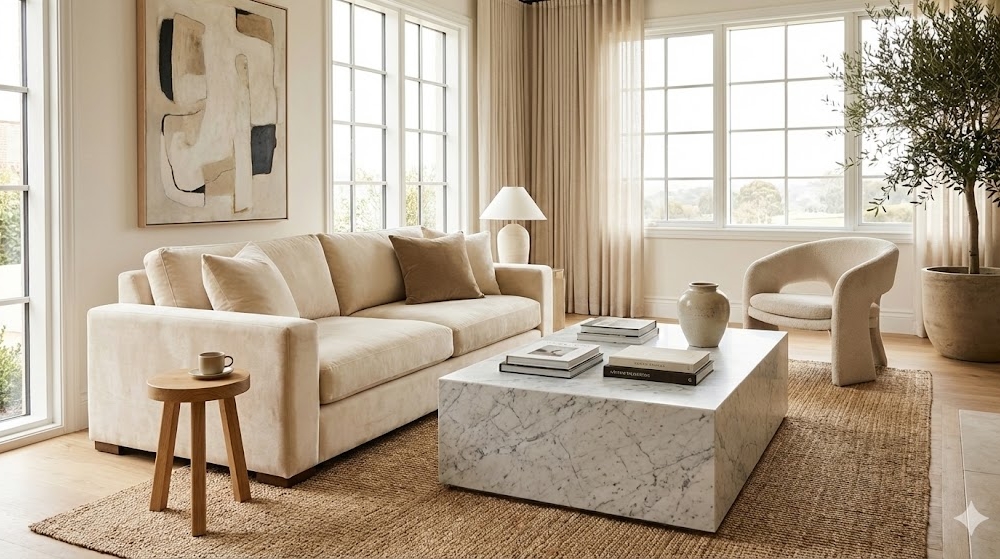
The Strategy: Pair a Rectangular Coffee Table with a round or organic-shaped side table.
-
Why it works: The round table “softens” the hard lines of the sofa and the coffee table. Specifically, it breaks the repetitive horizontal grid. Furthermore, round side tables facilitate easier traffic flow in tight corners. Thus, you balance ergonomics with aesthetics.
2. The Material Dialogue: Marble vs. Wood
Next, consider the “temperature” of your materials. Designers use Material Narratives to create depth. If you use only wood, the room feels heavy. If you use only marble, the room feels cold.
Ideally, you should mix “Cold” and “Warm” textures.
-
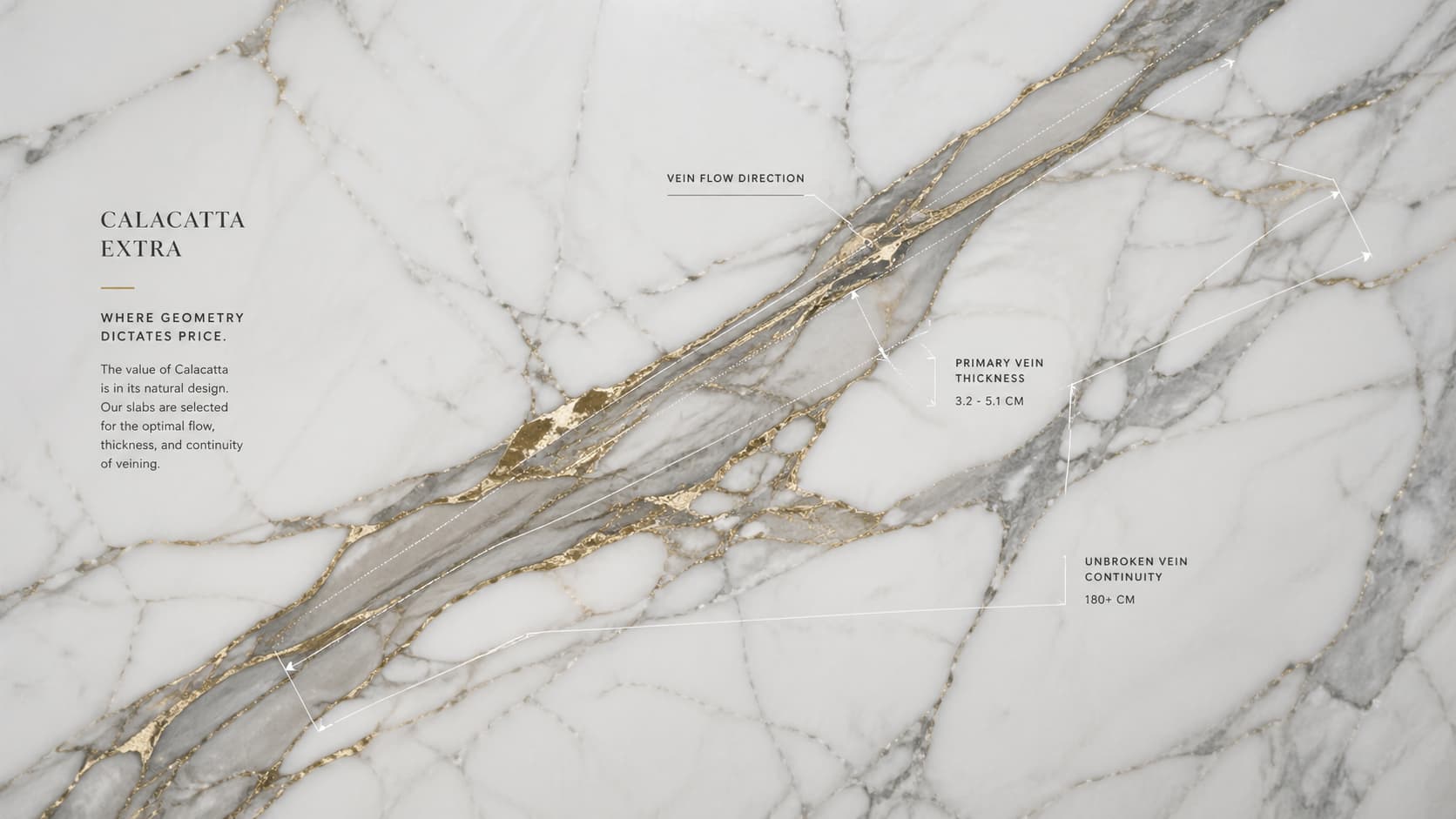
The Combo: Place a sleek Marble Coffee Table at the center and anchor the ends with Solid Wood side tables.
-
The Result: The marble provides a focal point of tactile luxury, while the wood introduces organic warmth. By doing this, you create a balanced sensory experience. In addition, mixing materials makes each piece stand out rather than disappearing into a sea of the same texture.

3. The Anchor Principle: Keeping a Common Thread
However, mixing doesn’t mean creating chaos. You still need a “Common Thread” to hold the look together. Without a unifying element, your living room will look like a thrift store.
Specifically, look for one shared characteristic:
-
Shared Metal: Use different table styles but ensure they both feature brass legs.
-
Shared Era: Pair a mid-century wood coffee table with a mid-century glass side table.
-
Shared Color Palette: Ensure the wood grain of your side table matches the veining in your Marble Coffee Table.
Consequently, these subtle links tell the brain that the pieces belong together, even if they don’t “match.” Ultimately, this creates the “Collected, not Decorated” look that defines luxury homes.
Conclusion: Trust Your Intuition, But Use the Math
Mixing furniture is a form of self-expression. Ultimately, the goal involves creating a space that feels personal and sophisticated. By avoiding the pre-packaged set and intentionally choosing contrasting shapes and materials, you elevate your home’s design IQ.
So, stop buying the set. Start building a collection. Your living room deserves a story, not a catalog page.