English
 Bahasa Indonesia

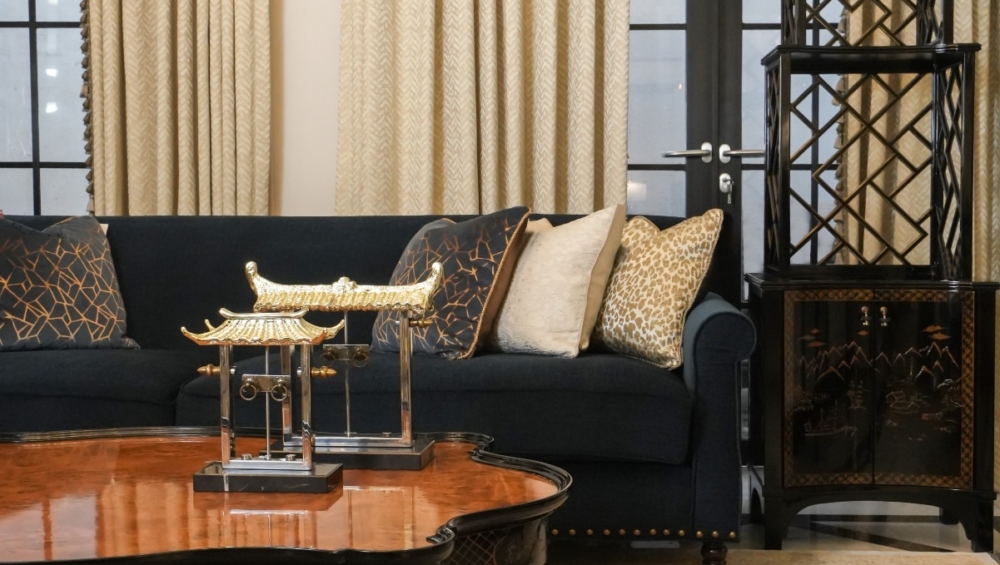
When choosing furniture or curtains, fabric is often treated as a purely visual decision. Color, pattern, or softness at first touch.
In reality, fabric plays a much deeper role in how a home feels on a daily basis.
Beyond appearance, material choice influences temperature, sound, comfort, and even how well a space ages over time.
Fabric and Thermal Comfort

In warm climates, fabric can significantly affect how comfortable a room feels. Heavier materials such as velvet or dense woven upholstery tend to trap heat, creating a sense of warmth and insulation.
This can be beneficial in air-conditioned rooms or spaces designed for evening relaxation.
Lighter fabrics like linen blends or breathable cotton weaves allow better airflow, helping rooms feel cooler and more relaxed during the day.
Choosing the right fabric isn’t about luxury alone—it’s about aligning material behavior with how the space is used.
Fabric as a Sound Softener

Sound is an often-overlooked element of interior comfort. Rooms filled with hard surfaces, glass, tile, metal, tend to amplify noise and echo.
Upholstered furniture, layered curtains, and textile-based décor help absorb sound, making spaces feel quieter and more composed.
This is why living rooms with plush sofas and well-chosen curtains often feel calmer than visually similar spaces with minimal soft furnishings.
Everyday Comfort Goes Beyond Softness
True comfort is experienced over time. Breathable fabrics prevent heat buildup during long sitting periods, while tightly woven materials offer structure and durability.
The wrong fabric can feel sticky, stiff, or worn too quickly. Over years of use, material quality determines whether furniture maintains its shape, color, and tactile appeal—or gradually loses its refinement.
Why Fabric Choices Should Be Coordinated

Fabric works best when planned holistically. A heavy sofa paired with overly light curtains can create an imbalance both visually and physically.
Coordinating upholstery, curtains, cushions, and rugs ensures that temperature, acoustics, and visual weight feel consistent throughout the room.
This approach creates interiors that don’t just look cohesive, but feel naturally comfortable.
A Thoughtful Approach to Material Selection
At Home Decor Indonesia, fabric selection is treated as a functional design decision, not an afterthought.
By considering how materials interact with climate, sound, and daily use, interiors are shaped to support real living.
When fabric is chosen with intention, comfort becomes effortless and a well-designed home reveals itself not only through appearance, but through how it feels every day.