English
 Bahasa Indonesia

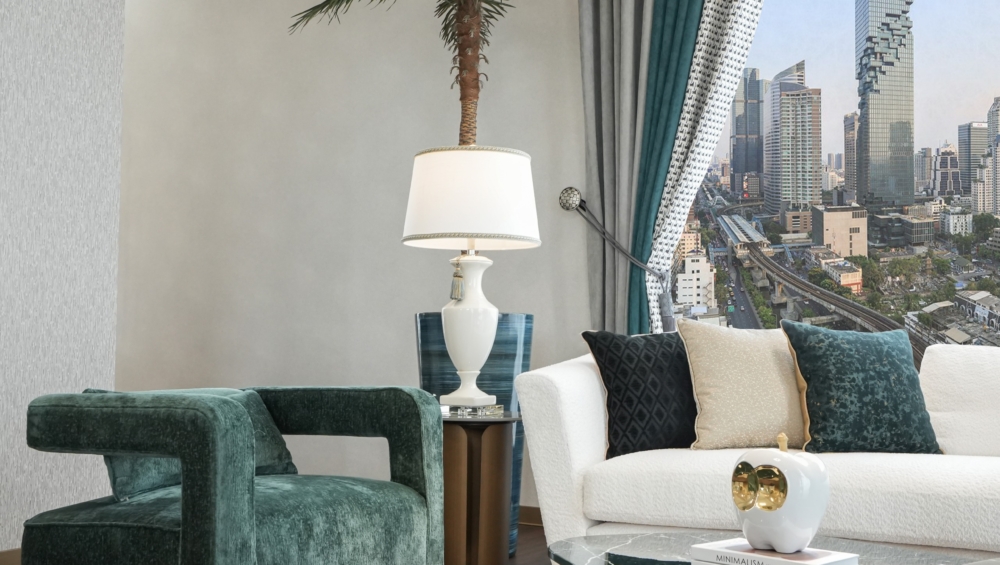
Furniture isn’t just decoration. It shapes how you feel and how you move in your own room.
Sub-optimal placement can make even a well-furnished space feel awkward or uncomfortable.
The good news? With thoughtful arrangement, you can transform the layout into the one that feels balanced, inviting, and functional.
1. Define Your Focal Point

Every well-designed room needs a focal point. Focal point mean a single point that draws the eye and organizes the space around itIt could be a fireplace, a large window, or an artwork.
Interior designers say neglecting the focal point is one of the biggest mistakes in furniture layout. Once you’ve identified the focal point, position major furniture pieces (like sofa) so they face or connected to it.
2. Float Furniture to Create Flow

Placing all furniture flush against the walls may seem spacious at first, but it often makes a room feel disconnected and less cozy.
Designers recommend “floating” key pieces. For example, pulling the sofa away from the wall to create a more centred seating zone and allow circulation behind.
Especially in open-plan or larger rooms, this simple shift gives a sense of purpose and cohesion.
3. Prioritise Clear Traffic Paths and Proper Scale

Good layout isn’t just about where furniture is. It’s about where people go.
Ensure there’s enough walking space (often around 30-45 cm or more) between furniture pieces, and avoid blocking doors or windows.
On top of that, furniture size matters: pieces too large overwhelm the space; too small make it feel sparse. Measure your room and piece sizes in advance.
4. Anchor the Zone with a Rug or Visual Element

Using a large area rug or visually defining the seating area helps “tie” furniture together and avoids the feeling that pieces are floating independently.
A rug with the front legs of key furniture on it can anchor the arrangement harmoniously.
5. Balance Visual Weight & Encourage Interaction
Furniture layout should invite connection sofas facing each other or chairs angled into the group help encourage conversation and social engagement.
Also, distribute visual weight (large vs small pieces) so one side of the room isn’t visually heavier than the other.
Final Thought
Furniture placement is not about filling space it’s about shaping space.
When done right, you’ll notice the difference: better flow, stronger conversation zones, more comfortable movement, and a room that just feels more right.
Try measuring your space, identifying your focal point, floating one piece away from the wall, and anchoring with a rug you’ll be surprised how much changes.